Across the Lackawanna Valley, the story of our region continues to be written, not just in books or archives, but in communities, classrooms, trails, and shared public spaces.
This spring, the Lackawanna Heritage Valley Authority is proud to support that ongoing story through more than $29,000 in Partnership Grant funding, awarded to organizations that bring our heritage to life in meaningful and creative ways.
These projects reflect what makes the Lackawanna Valley unique: a deep connection to place, a respect for history, and a commitment to building something lasting for future generations.
From festivals and public art to education and preservation, this year’s grant recipients represent a diverse cross-section of partners working to interpret and celebrate our region’s industrial, cultural, and community heritage.
Among the projects receiving support:
- The Anthracite Heritage Museum and Iron Furnaces Associates will host the “Arts on Fire” Industrial Arts Festival 2026, bringing history, craftsmanship, and community together in a dynamic public setting.
- Anthracite Trolleys Inc. will continue the restoration of historic trolley car 790, preserving a tangible link to the region’s transportation legacy.
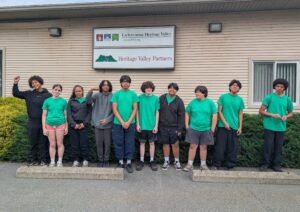
- The Dunmore School District will engage students through a summer camp program, “Exploring the History of NEPA,” fostering place-based learning for the next generation.
- Lackawanna County 4-H will host “Clover Games,” encouraging youth participation and community connection.
- The Marywood University STARS Program will present “Raices y Voces,” (Roots and Voices) empowering young people to honor and share their cultural heritage through creative storytelling.
- Moosic Borough will highlight local identity through “Moosic – An All-American Borough.”
- The North Pocono Cultural Society will document regional stories through “Stories of North Pocono: An America 250 Community Heritage Project.”
- The Scranton Municipal Recreation Authority will host “Celebrate America, Happy 250th,” connecting recreation with national heritage.
- Scranton Tomorrow will bring the city’s narrative to life through “Song of the City.”
- The United Neighborhood Centers of NEPA will enhance community access and identity through the “Pine Brook- Green Ridge Community Gateway at Capouse Center.”
- The Northeastern Pennsylvania Educational Television Association (WVIA) will produce “A Collector’s Story in Pictures: Art of the Anthracite Coal Industry,” capturing the visual legacy of the coal era.
Together, these projects demonstrate the power of partnership. They connect people to place, strengthen communities, and ensure that the heritage of the Lackawanna Valley is not only preserved, but actively experienced.
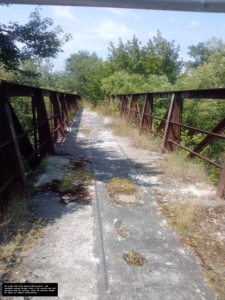
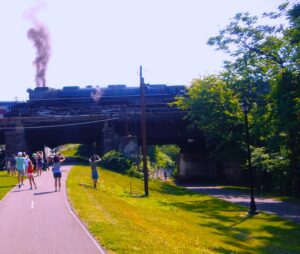
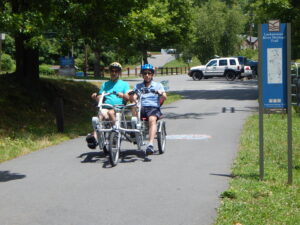
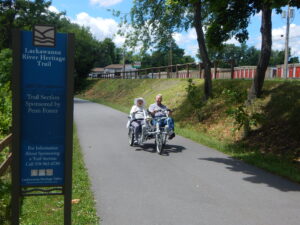
At LHVA, this work is at the heart of our mission. Through the stewardship of the Lackawanna River Heritage Trail and the broader Heritage Area, we are not only preserving the past, we are creating new ways for people to experience it. From trail corridors built on former rail lines to community programs that bring history into the present, every project we support helps connect people to the places, stories, and landscapes that define northeastern Pennsylvania.
Because in the Lackawanna Valley, heritage is not something you just learn about. It is something you can walk, ride, and experience every day.
 rail
rail